Pro Humanitate
April 12, 2026
Ethan Carter Edwards
The Future
I've spent considerable time reflecting on what matters most to me --- specifically, my life's meaning --- over the past few years. To me, this is the most profound question, and I ask it of my guests on The Ridge Podcast.
For much of my generation here in the United States, there's a lot of uncertainty about our future. Many of us are worried about the impact of AI on the workforce, concerned about the state of the economy and democracy, and terrified of the irreversible damage climate change can do to our planet and our society. Generally, we are collectively pretty anxious, maybe even pessimistic, about the future of our world.
I'm definitely not immune to these concerns, either. Many of the conversations I have had during my first year of college have been shaped by my and others' anxieties related to these issues. These are some of the most pressing issues in our nation's recent history, and their answers will impact millions of people for generations to come. It makes sense that we are concerned. It might raise some uncomfortable questions about our priorities if we did not care.
It is far too easy to think that our current trajectory is permanent. That we are doomed to lose our democracy and our future. Don't get me wrong, this could certainly happen. But we are reminded time and time again throughout history of the indomitable spirit that exists within the American people. It may take some time and pain, but we will figure things out.
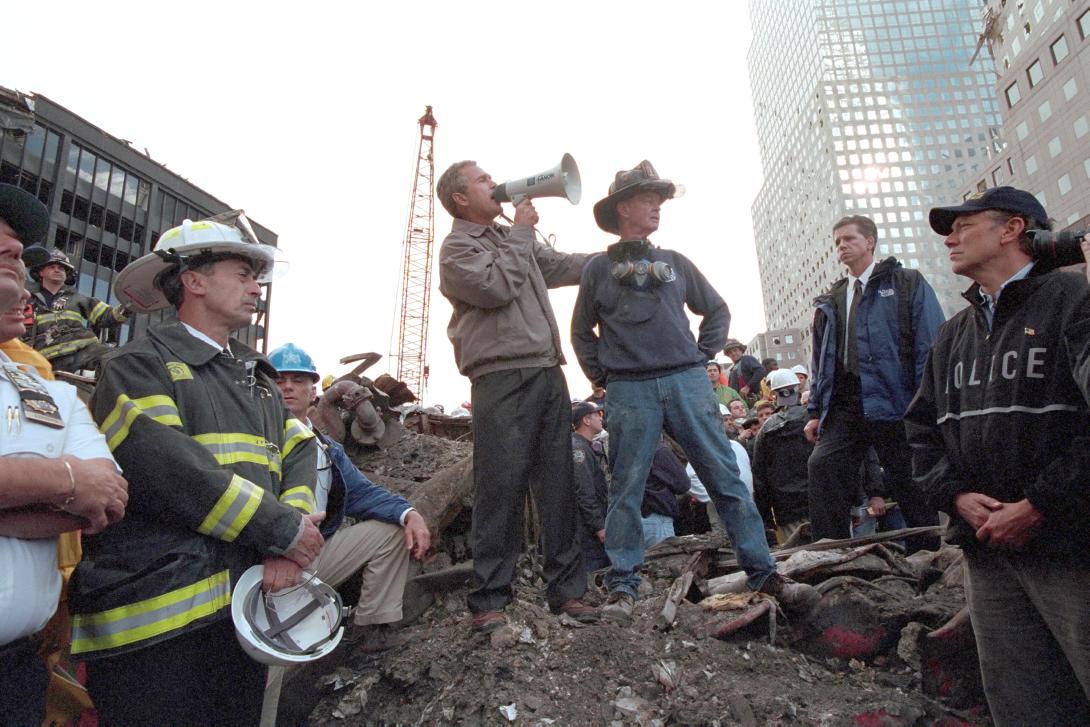
In these times, I'm reminded of this quote by Winston Churchill:
"Americans can always be trusted to do the right thing, once all other possibilities have been exhausted."
What We Can Change
Underneath these concerns, however, is a level of privilege that is easy to forget. We live in the wealthiest country in the world during a (broader) time in history where U.S. citizens and residents have never enjoyed as many rights, benefited from as much life-saving and life-changing technology, and had access to as much information on demand as we have in this moment. According to GivingWhatWeCan.org, families with a household annual income of around $36,000 are in the top 95% of earners on the entire planet with a comparable quality of life. By many standards, this is the best time in history to be alive in the United States.
Unfortunately, our advances have not made it very far: across the equator in Latin America, millions live in countries ruled by dictators and autocrats, millions of others in Africa are suffering from preventable diseases, millions have been displaced or killed by the Russia-Ukraine war, and thousands of people have been killed in various wars in the Middle East.
The average U.S. citizen may not think of any of these issues during their daily life. We don't have to worry about procuring safe food for our families or a bomb dropping through our roof. By these accounts, we are privileged beyond belief. During times of uncertainty, it is important that we appreciate what we have.
That being said, acknowledging our privilege does not preclude us from aspiring to be better. The only reason my generation enjoys these privileges is because our ancestors fought for them. The only reason our descendants will enjoy our privileges (and hopefully more) is because we learned to fight as well.
I also believe that we should use this privilege for good around the world. While it is not realistic for everyone (especially right now), giving back to our communities or helping those abroad, where feasible, is important.
Giving What We Can
Lately, I've been learning more about Effective Altruism. While it's not a perfect framework and I'm not sold on everything, I find many of the ideas compelling and feel inspired to think more critically about how I spend money. Like many people around the world, I feel an obligation to use my and my country's success to help others via effective giving.
For that reason, in 2026, I became a member of Giving What We Can and as a student have pledged to donate at least 1% of my income to charities, non-profits, or foundations that I have identified to do cost-effective good. I have also pledged to immediately start donating at least 10% of my income upon entering the workforce.
I am writing this post to encourage others, and especially my peers, to make the same pledge. If you would like to chat or learn more about how and why I made my decision, please feel free to reach out.
Pro Humanitate, For Humanity, represents the best of what it means to be human. It is a willingness to help others and be generous, altruistic, selfless, compassionate, engaged, and active. What is more meaningful than helping others?